|
1
|
- Scott A. Kishbaugh, P.E.
- NYSDEC Division of Water
- 625 Broadway
- Albany NY 12233-3502
- 518-402-8282
- sakishba@gw.dec.state.ny.us
|
|
2
|
- Document Extent of Invasive Growth
- Identify Impaired Uses
- Correctly Identify Invasive Plant(s)
- Explore Management Alternatives
- Identify Limitations to Management
- Initiate Permitting Process if Applicable
|
|
3
|
- Document the Extent of Invasive Plant Growth
- Now Required As Part of DEC Aquatic Pesticides Program
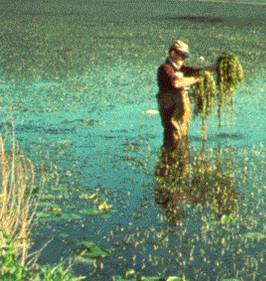
- Cornell-USACE Rake Toss Methodology
|
|
4
|
- Identify Any Impaired Uses (Swimming, Fishing, Drinking Water)
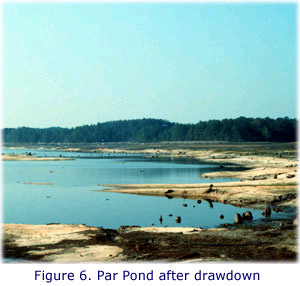
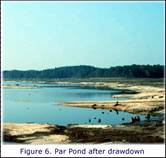
- State Priority Waterbody List (PWL) Can Authenticate Problems
|
|
5
|
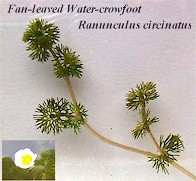
- Make Sure the Plant Identification is Correct
- Several Sources Available for Confirming Aquatic Plant Identifications
|
|
6
|
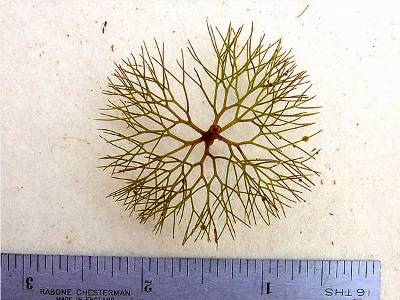
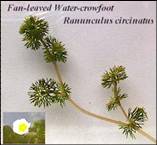
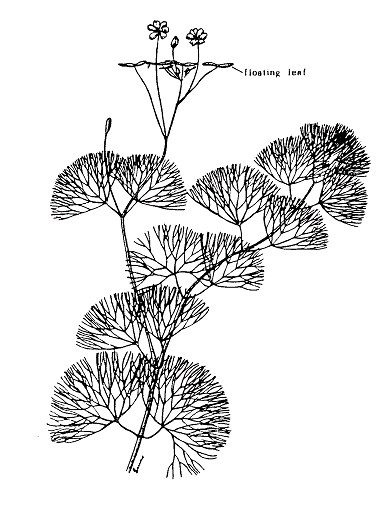
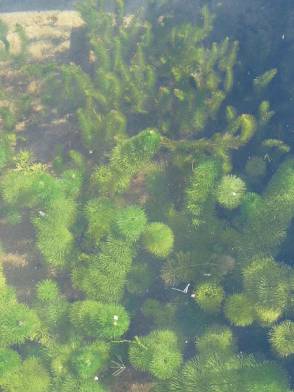
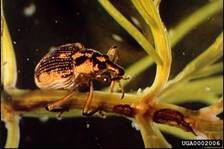
- Origin: SE USA
- Intro to US: Native
- Intro to NYS: 1940s?
- Plant Type: Submerged
- Leaf Type:
- Submersed: Pinnate
- Floating: Small Flower
- Leaf Arrangement: Opposite
- Leaf Shape: Thread
- Leaf Margin: Smooth
|
|
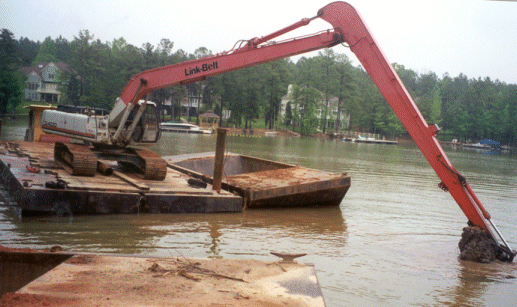
7
|
- Habitat:
- Long Island: Shallow Ponds
- Update: Deep Coldwater Lakes
- Growth Patterns
- Dense Subsurface Busheling
- Surface Flowering
- Competitive Advantage
- Adaptable to Multiple Environment
- Easily Moves By Fragmentation
|
|
8
|
- NYS Control Agent(s)
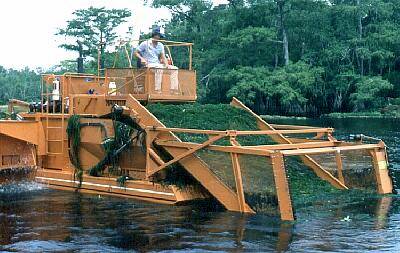
- Mechanical Harvesting
- Drawdown
- Herbicides
- Grass Carp
- NYS Control Projects
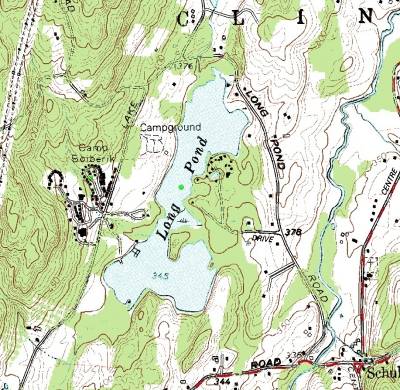
- Long Pond (Dutchess)
- Mill Pond (Saratoga)
- Donahue Pond (Suffolk)
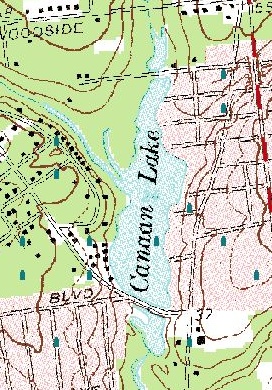
- Canaan Lake (Suffolk)
|
|
9
|
- Different Fanwort Genotypes Exist- Physiological and Response
Differences
- Red Fanwort More Commonly Found in Southern Climates
- Green Fanwort More Commonly Found Growing in Colder Water
- Recent Studies Suggest Variable Response of Red and Green Fanwort to
Herbicides
- Green Fanwort Sensitive to Fluridone at 10-20 ppb
- Red Fanwort Sensitive to Fluridone at 5-10 ppb
- Yaphank Lakes Fanwort Appears to be “Green” Fanwort
|
|
10
|
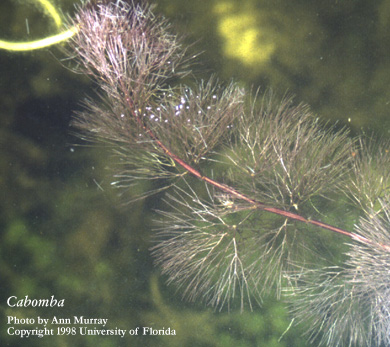
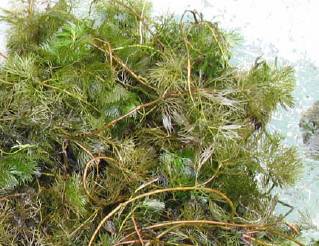
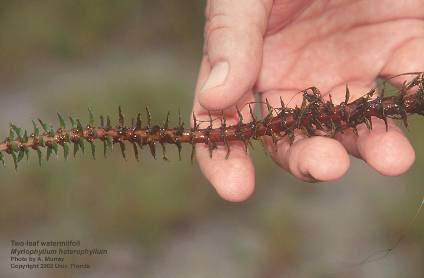
- Origin: SE United States
- Intro to US: Native
- Intro to NYS: Native?
- Plant Type: Submerged
- Leaf Type:
- Submersed: Pinnate
- Floating: None (Spike)
- Leaf Arrangement: Whorled
- Leaf Shape: Thread
- Leaf Margin: Smooth
|
|
11
|
- Habitat:
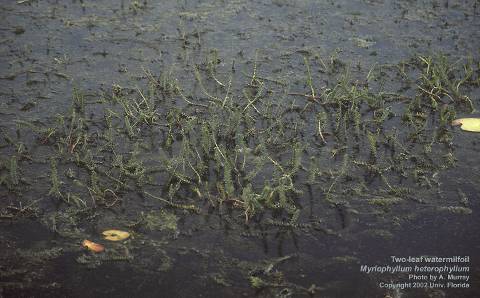
- Growth Patterns
- Occasionally Very Dense Surface Stems
- Thick Subsurface Canopies
- Competitive Advantage
- Shading/Light Inhibition
- Easily Moves By Fragmentation
|
|
12
|
- NYS Control Agent(s)
- NYS Control Projects
|
|
13
|
- Several Guides Available Summarizing Plant Management Options
- Updated Diet for a Small Lake Available in Spring
- Draft “Primer on Aquatic Plant Management in NYS” Available
on DEC Website http://www.dec.state.ny.us/website/dow/bwam/aquatic/ch6apr05.pdf)
|
|
14
|
- Physical-
- Dam? Depth of Withdrawal?
- Retention Time?
- Major Inlet/Outlet?
- Launch/Spoils Area?
- Depth/Density of Plants?
- Biological-
- Protected (RTE) Animals/Plants?
- Fisheries Resources?
- Logistical-
- Public Water Supply?
- Identified on PWL?
- Is Technique “Available”
- Philosophical-
- Opposition to Use of Herbicides?
- Intended/Desired Use of Waterbody?
- Fiscal
|
|
15
|
|
|
16
|
- Principle- Let Nature or Apathy Work
- Invasive Target- None
- Pros- (No)$, May Take Advantage of Normal Cyclical Patterns
- Cons- Problem May Become More Difficult to Manage
- Permits- None
- Costs- Pay Later
|
|
17
|
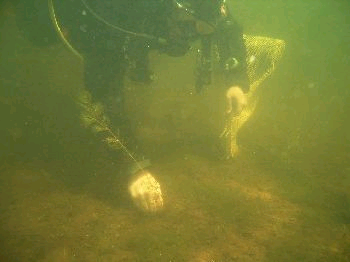
- Principle- Pluck (Nudge) ‘Em Out, One at a Time (and Bag
‘Em)
- Invasive Target- Any/All
- Pros- Can be Cheap, Target Individual Plants or Plant Species, Combine
With Suction Harvesting, Good IPM Technique
- Cons- Labor Intensive, Difficult and Costly > 1000 ft2 or
Deep Water, Spread Fragments
- Permits- Only If Large Scale (ECL Article 15, Article 24)- Suction
Permits Akin to Dredging
- Costs- Labor Only to $100-500/ac (Suction = $5-10k/ac)
|
|
18
|
- Impact on Target Plant Species- significant
- Impact on Native Plant Species- minimal to none
- Impact on Native Animal Species- minimal to none
- Post-Treatment Plant Coverage
- treatment zone- native plants
- outside treatment zone- all plants
- Water quality changes temporary turbidity
- Ecological impacts minimal to none
- Downstream impacts minimal to none
- Potential for regrowth
- within treatment zone- moderate
- from outside treatment zone- high
- Recreational Impacts During Treatment
- within treatment zone- significant
- outside treatment zone- none
- Likelihood of Suboptimal Results low to moderate
|
|
19
|
- Volunteer or Professional?
- Hand Harvesting- most likely professional
- Diver Harvesting- professional
- Expected Costs
- Capital
- Hand harvesting: minimal
- diver harvesting: $30k
- Operating $5-10k/acre hand or diver
- Duration of Treatment 3 months
- Frequency of Annual Treatment 1-2x per year
- Longevity of Control 2-3 months
- Permits none?
- Unique Issues? none?
- Overall Likelihood of Success partial control = moderate
- reinfestation control = high
|
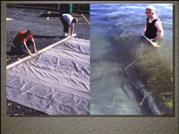
|
20
|
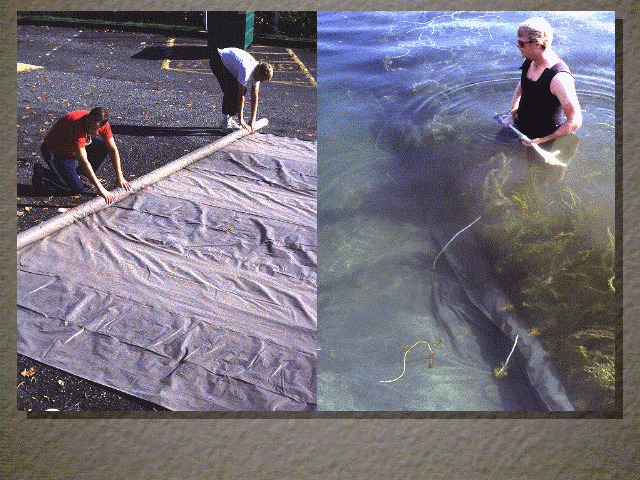
- Principle- Smother ‘Em
- Invasive Target- Any/All if Barrier Placed Early
- Pros- Focus on Use Impacted Areas, Can Move to Different Areas, Variable
Time Options
- Cons- Difficult in Deep Water, Limited to Small Areas, Potential
Ecological Impacts, Not Species Specific
- Permits- Some DEC Regions- Only If Large Scale (ECL Article 15, Article
24), USACE if Navigable Water
- Costs- $100/ac + Labor to $10-30k/ac
|
|
21
|
- Impact on Target Plant Species- significant
- Impact on Native Plant Species- significant under barrier
- Impact on Native Animal Species- some loss under barrier
- Post-Treatment Plant Coverage
- treatment zone- none
- outside treatment zone- all plants
- Water quality changes temporary turbidity
- Water quality changes sediment anoxia if barriers retained
- Ecological impacts loss of habitat under barriers
- Downstream impacts minimal to none
- Potential for regrowth
- within treatment zone- low to moderate
- from outside treatment zone- high
- Recreational Impacts During Treatment
- within treatment zone- significant
- outside treatment zone- none
- Likelihood of Suboptimal Results low to moderate
|
|
22
|
- Volunteer or Professional? professional in all deep/most shallow
- Expected Costs
- Capital $20k/acre- can be reused
- Operating $5-15k/acre
- Duration of Treatment 3-6 weeks
- Frequency of Annual Treatment 1x per year
- Longevity of Control 1-2 months
- Permits Article 15/24 if whole lake
- Unique Issues? Installation in main channel
- Overall Likelihood of Success partial control = moderate
- reinfestation control = low
|
|
23
|
- Principle- Snip ‘Em
- Invasive Target- Can Spread Milfoil and Fanwort
- Pros- Easy, Inexpensive, Focus on Surface Impacts
- Cons- Easily Spreads Fragments and Root Material, Plants Regrow, Weeds
Deposit Downwind, Selective only in Monocultures
- Permits- DEC and APA (ECL Articles 15 and 24), Usually None for Surface
Only Cutting
- Costs- $200-400/ac
|
|
24
|
- Not recommended technique
- Cutting without harvesting will spread fragments
- No long-term impacts without impacting root system
- Fanwort and Variable watermilfoil spread by fragmentation
|
|
25
|
- Impact on Target Plant Species- short term control
- Impact on Native Plant Species- significant within cutting zone
- Impact on Native Animal Species- some loss within cutting zone
- Post-Treatment Plant Coverage
- treatment zone- minimal to low
- outside treatment zone- all plants
- Water quality changes temporary turbidity / floating material
- liberation of sediment pollutants
- Ecological impacts major habitat disruption
- sedimentation outside cutting zone
- Downstream impacts floating plant material / turbidity
- Potential for regrowth
- within treatment zone- low
- from outside treatment zone- high
- Recreational Impacts During Treatment
- within treatment zone- significant
- outside treatment zone- none
- Likelihood of Suboptimal Results moderate
|
|
26
|
- Volunteer or Professional? professional
- Expected Costs
- Capital $150k
- Operating $2k/acre
- Duration of Treatment 2-3 weeks
- Frequency of Annual Treatment 1x per year
- Longevity of Control 1-2 years
- Permits DEC Article 15
- Unique Issues? Significant benthic impacts
- Overall Likelihood of Success partial control = moderate
- reinfestation control = moderate
|
|
27
|
- Principle- Color the Water So Plants Don’t Grow
- Invasive Target- All If Low Enough in Water Column
- Pros- Easy, Inexpensive, Whole Waterbody Control
- Cons- Non-Selective (Plant or Spatial), Highly Dependent on Retention
Time, Little Documentation in Large or Deeper Waterbodies
- Permits- If Advertised as Plant Control Agent, Pesticides Permit (Pt
327), Otherwise None
- Costs- $100-500/ac
|
|
28
|
- Not recommended technique
- Flow through time too fast in Yaphank Lakes to effectively utilize this
technique
- Fanwort and Variable watermilfoil canopies on or near surface will not
be impacted by shading agents
|
|
29
|
- Principle- Stock Insects that Will Disrupt Plant Growth Cycle
- Invasive Target- Eurasian Watermilfoil Now, Water Chestnut in Future?
- Pros- “Natural”, Likely Involves Native Insects, Mostly
Selective, Few Side Effects
- Cons- Limited Targets, Little Evidence of Insect Propagation, Spread or
Augmented Control in NYS, Fish Predation, Poor IPM Choice
- Permits- DEC Stocking Permit (ECL Article 11)
- Costs- $300-3000/ac
|
|
30
|
- Not recommended technique
- None of the commercially available or experimentally stocked
herbivorous insects will impact Fanwort or Variable watermilfoil
- Augmented management strategy still largely unproven
|
|
31
|
- Principle- Freeze Dry Plants Over the Winter
- Invasive Target- Variable Watermilfoil, Fanwort
- Pros- Easy, Inexpensive, Can Combine with Other Mgmt Actions (Dock
Repair, Habitat Improvement)
- Cons- Loss of Other Rhizome-Producers, Increase in Seed-Producers, Late
Return of Water Level, Impacts to Benthos
- Permits- DEC Article 15/24 Permit
- Costs- $<100/ac
|
|
32
|
- Impact on Target Plant Species- significant in exposed areas
- Impact on Native Plant Species-
- Lower Lake significant in exposed areas
- Upper Lake pondweeds/naiads- low, lilies- high
- pennywort/St Johns wort- moderate
- Impact on Native Animal Species- high in exposed area
- Post-Treatment Plant Coverage
- treatment zone- very low
- outside treatment zone- Lower-very low; Upper-moderate
- Water quality changes temporary turbidity
- potential release of nutrients / bloom
- Ecological impacts loss of spawning grounds / cover
- wetland/GW recharged reduced
- reduced fisheries habitat
- Downstream impacts heavy initial flow, turbidity
- Potential for regrowth
- within treatment zone- low to moderate
- from outside treatment zone- high
- Recreational Impacts During Treatment
- within treatment zone- lost lake access
- loss of fishing edge after withdrawal
- outside treatment zone- none after water returns
- Likelihood of Suboptimal Results moderate
|
|
33
|
- Volunteer or Professional? professional
- Expected Costs
- Capital not known
- Operating none
- Duration of Treatment 1-2 weeks
- Frequency of Annual Treatment 2 out of 3 years
- Longevity of Control 1-5 years
- Permits DEC Article 15 / 24
- Unique Issues? f (inflow, precipitation, cold, GW)
- opportunities for dam repair
- potential reinfestation main channel
- Overall Likelihood of Success whole lake control = moderate
- reinfestation control = low
|
|
34
|
- Impact on Target Plant Species- moderate to significant
- Impact on Native Plant Species-
- Lower Lake moderate to significant in exposed areas
- Upper Lake pondweeds/naiads- low, lilies- high
- pennywort/St Johns wort- moderate
- Impact on Native Animal Species- high in exposed area
- Post-Treatment Plant Coverage
- treatment zone- perhaps high due to GW saturation
- outside treatment zone- Lower-very low; Upper-moderate
- Water quality changes periodic turbidity
- liberation flocculent sediments
- Ecological impacts loss of spawning grounds / cover
- wetland/GW recharged reduced
- disequilibrium of benthic habitat
- Downstream impacts sedimentation in trout spawning beds
- Potential for regrowth
- within treatment zone- low to moderate
- from outside treatment zone- high
- Recreational Impacts During Treatment
- within treatment zone- lost lake access
- loss of fishing edge after withdrawal
- outside treatment zone- none after water returns
- Likelihood of Suboptimal Results moderate to high
|
|
35
|
- Volunteer or Professional? professional
- Expected Costs
- Capital not known
- Operating none
- Duration of Treatment 1-2 weeks
- Frequency of Annual Treatment annually?
- Longevity of Control unknown?
- Permits DEC Article 15 / 24
- Unique Issues? f (inflow, precipitation, cold, GW)
- potential reinfestation main channel
- risk of significant downstream impact
- Overall Likelihood of Success whole lake control = low to moderate
- reinfestation control = low
|
|
36
|
- Impact on Target Plant Species- significant in channel, unknown out
- Impact on Native Plant Species-
- Lower Lake elimination in and outside channel
- Upper Lake elimination outside channel
- pondweeds, naiads- significant in channel
- naiads, worts- moderate in channel
- Impact on Native Animal Species- eliminate benthos outside channel
- significant impact inside channel
- Post-Treatment Plant Coverage
- treatment zone- emergent vegetation will take over
- outside treatment zone- low to moderate inside channel
- Water quality changes heavy turbidity during removal
- improved oxygenation after removal
- Ecological impacts shift from sub to emergent vegetation
- shift from benthic to wetland inverts
- Downstream impacts heavy turbidity and flow post-removal
- shift in downstream ecological comm.
- Potential for regrowth
- within treatment zone- low to moderate
- from outside treatment zone- very low
- Recreational Impacts During Treatment
- within treatment zone- lost lake and access
- shift in boating/angling use
- Likelihood of Suboptimal Results low to moderate
|
|
37
|
- Volunteer or Professional? professional
- Expected Costs
- Capital difficult to define
- Operating none
- Duration of Treatment 1-2 weeks
- Frequency of Annual Treatment one time
- Longevity of Control permanent
- Permits DEC Article 15 / 24, dam safety
- Unique Issues? ecological shift: lentic to lotic
- recreational shift: standing to flowing
- compatible with downstream uses?
- groundwater impacts
- change in Carmens River last 25 years
- Overall Likelihood of Success whole lake control = moderate
- reinfestation control = moderate
|
|
38
|
- 5 Acre Pond, Saratoga County
- Three Upstream Lakes with Fanwort
- Lake Drained in 1998
- Fanwort Eliminated through 2002 (Pond Did Not Refill until 2000)
- Fanwort Returned after 2002 (Still in Upstream Lakes)
|
|
39
|
- Principle- Cut ‘Em and Cart ‘Em Away
- Invasive Target- Any Growing in Water 2-10 Feet Deep
- Pros- Large Scale, Opens Navigational Chanels/Surface of Waterbody, Some
Nutrient Removal
- Cons- Expensive, Creates Fragments, Non-Selective, Can’t Be Used
Near Shore, Some Fauna Impacted, Need Launch
- Permits- DEC ECL Article 24
- Costs- $500-1500/ac; $150k Harvester
|
|
40
|
- Impact on Target Plant Species- height reduction, not elimination
- Impact on Native Plant Species- height reduction, not elimination
- Impact on Native Animal Species- loss of fish, aquatic insects
- Post-Treatment Plant Coverage
- treatment zone- little overall reduction by 6-8 weeks
- outside treatment zone- no change
- Water quality changes surface fragmentation
- slight reduction in sediment nutrients
- Ecological impacts low-lying habitat retained
- selective control fast-growing plants
- Downstream impacts floating fragments
- Potential for regrowth
- within treatment zone- high
- from outside treatment zone- high
- Recreational Impacts During Treatment
- within treatment zone- significant but slow moving
- Outside treatment zone- noise and diesel odor
- Likelihood of Suboptimal Results moderate
|
|
41
|
- Volunteer or Professional? Volunteer drivers?
- Expected Costs
- Capital $150k
- Operating $15-20k per year
- Duration of Treatment 2-3 weeks
- Frequency of Annual Treatment 1-2x per year
- Longevity of Control 6-12 weeks
- Permits DEC Article 24
- Unique Issues? cut weed disposal and dewatering
- access for harvester
- Overall Likelihood of Success whole lake control = moderate
- reinfestation control = very low
|
|
42
|
- 100 Acre Lake, Dutchess County
- Fanwort Beds in Channels Between Deep Occupied Regions of Lake
- Harvester Operated by County
- Fanwort Spread to Nearby Lakes Managed by Same Harvester
- Fanwort Populations Still Dense (but Boat Traffic can Navigate Through
Lanes Opened by Harvester)
|
|
43
|
- 50 Acre Pond, Suffolk County (Manorville)
- Fanwort Beds Created Recreational Problems for Peconic River
Sportsman’s Club
- Harvester Operated by Town
- Fanwort Spread to Nearby Lakes Managed by Same Harvester
- Fanwort Populations Still Dense (but Boat Traffic can Navigate Through
Lanes Opened by Harvester)
|
|
44
|
- Principle- Chemically Wipe Out Weeds by Contract or Impact to Growth
Pattern
- Invasive Target-
- Whole Lake: Fluridone, 2,4-D
- Partial Lake: Triclopyr, Endothal, Diquat
- Pros- Short to Long Term Control, Some Selectivity, Local or Lakewide
Control, Usually Effective
- Cons- Controversial, Some Limits on Use, Time Delays, Non-Target
Impacts, Plan/Monitoring Required
- Permits- DEC ECL Article 15/Part 327, Article 24
- Costs- $300-1500/ac
|
|
45
|
- Impact on Target Plant Species- fluridone- fanwort high, milfoil
moderate
- 2,4-D – milfoil high, fanwort low
- Impact on Native Plant Species-
- Lower Lake fluridone-low, 2,4D-moderate
- Upper Lake fluridone-moderate, 2,4-D-low
- Impact on Native Animal Species- no expected loss
- Post-Treatment Plant Coverage
- treatment zone- Lower Lake-low, Upper Lake-moderate
- outside treatment zone- Lower Lake-low, Upper Lake-moderate
- Water quality changes no expected changes
- Ecological impacts habitat disruption in treatment zone
- Downstream impacts sub-lethal impacts normal-high flow
- none likely under low flow
- Potential for regrowth
- within treatment zone- fluridone- low YOT, low YAT
- 2,4-D- low YOT, moderate YAT
- Recreational Impacts During Treatment none expected
- Likelihood of Suboptimal Results low to moderate
|
|
46
|
- Volunteer or Professional? Professional?
- Expected Costs
- Capital $30k
- Operating $3-5k (monitoring)
- Duration of Treatment 1 day
- Frequency of Annual Treatment 1x per year (perhaps bump treatment)
- Longevity of Control 1-5 years
- Permits DEC Pesticides Part 327, Article 24
- Unique Issues? impact of 2,4-D on nearshore wells
- assuring >50d fluridone contact time
- Overall Likelihood of Success whole lake control = moderate
- reinfestation control = low to moderate
|
|
47
|
- Impact on Target Plant Species- endothal- fanwort high
- triclopyr – milfoil high
- diquat-moderate
- Impact on Native Plant Species-
- Lower Lake endothal-high, triclopyr-low, diquat-high
- Upper Lake endothal-high, triclopyr-low, diquat-high
- Impact on Native Animal Species- no expected loss
- Post-Treatment Plant Coverage
- treatment zone- Lower Lake-low, Upper Lake-moderate
- outside treatment zone- both lakes- unchanged
- Water quality changes no expected changes
- Ecological impacts habitat disruption in treatment zone
- Downstream impacts sub-lethal impacts normal-high flow
- none likely under low flow
- Potential for regrowth
- within treatment zone- endothal- moderate YOT, high YAT diquat-
low YOT, moderate YAT
- triclopyr- low YOT, moderate YAT
- Recreational Impacts During Treatment none expected
- Likelihood of Suboptimal Results low to moderate
|
|
48
|
- Volunteer or Professional? Professional?
- Expected Costs
- Capital $3-5k (base application cost)
- Operating $0.5-1k /acre (incl monitoring)
- Duration of Treatment 1 day
- Frequency of Annual Treatment 1x per year (perhaps bump treatment)
- Longevity of Control 1-5 years
- Permits DEC Pesticides Part 327, Article 24
- Unique Issues? Minimize flow out of lake
- challenges controlling main channel
- Overall Likelihood of Success whole lake control = low
- reinfestation control = low to moderate
|
|
49
|
- 50 Acre Pond, Suffolk County (Manorville)
- Fanwort Beds Created Recreational Problems for Peconic River Sportsmans
Club
- Fluridone (Sonar) Applied in 2007
- Pre-Treatment (2005)- Fanwort Moderate or Dense at 45% Samples Sites;
Sparse, Trace or Non-Existent at 55% of Sites
- Post Treatment- Fanwort Moderate or Dense at 25% Sampled Sites; Sparse,
Trace or Non-Existent at 75% of Sites
- Dense Sites at Southern End Showed Significant Chlorosis
|
|
50
|
- Principle- Stock Weed Eating Fish
- Invasive Target- Fanwort marginal, Milfoil Less Palatable
- Pros- Perceived “Natural”, Less Expensive, Long-Term
Control, Mostly Invisible Control
- Cons- Non-Native Fish, Non-Target Control, Risk of Algal Blooms/ Plant
Eradication / Escape, Habitat Alteration, Hard to Remove, EIS Required
- Permits- DEC Stocking Permit (ECL Article 11), Article 24
- Costs- $50-300/ac
|
|
51
|
- Impact on Target Plant Species- milfoil- low; fanwort- moderate
- Impact on Native Plant Species-
- Lower Lake coontail- low; bladderwort- moderate
- Upper Lake worts, pondweed-high;
- naiads, floating pondweed- moderate;
- lilies- low;
- Impact on Native Animal Species- low if low stocking rate
- Post-Treatment Plant Coverage
- Lower Lake- f (stocking rate); expected low
- Upper Lake- f (stocking rate); expected moderate
- Water quality changes some turbidity
- release nutrients / algal bloom ?
- Ecological impacts loss of spawning grounds
- loss of cover
- Downstream impacts significant if fish escape
- nutrient release downstream
- Potential for regrowth high (assuming native plant rebound)
- Recreational Impacts During Treatment loss of fishing edge after
treatment
- Likelihood of Suboptimal Results moderate to high (especially Upper)
|
|
52
|
- Volunteer or Professional? Professional
- Expected Costs
- Capital $4k + EIS
- Operating none to $0.5k /acre (restocking)
- Duration of Treatment < 1 week
- Frequency of Annual Treatment none (up to 10% restock annual)
- Longevity of Control 2-6 years
- Permits DEC Article 11, EIS
- Unique Issues? Minimize flow out of lake
- separate stockings/control in each lake?
- Overall Likelihood of Success whole lake control = low to moderate
- reinfestation control = low
|
|
53
|
- 26 Acre Pond, Suffolk County (Patchogue)
- Extensive Growth of Fanwort and Variable Watermilfoil
- Surface Plant Growth Reported as “Dense” from 1992-1994
- Grass Carp Stocked 1999
- Reported as “Moderate” to “Dense” in 2000-2001
- Reported as “Dense” to “Completely Covering the
Lake” from 2002-2005
|
|
54
|
- Principle- Scoop Out the Weeds, Roots, and Muds Around Them
- Invasive Target- Any/All
- Pros- Long Term Control, Increases Water Depth, Very Effective in Light
Limited Conditions
- Cons- Very Expensive, Many Permits, Risk of High Turbidity, Need Spoils
Area and Access for Barge, Risk of Spreading Contaminated Sediment,
Limited Areas
- Permits- DEC ECL Article 15, Article 24, Others
- Costs- $20-80k/ac
|
|
55
|
- Impact on Target Plant Species- complete control and eradication?
- Impact on Native Plant Species- complete control within treatment zone
- Impact on Native Animal Species- substantial loss within treatment zone
- Post-Treatment Plant Coverage
- treatment zone none
- outside treatment zone all plants
- future loss of natives in deeper water
- Water quality changes heavy turbidity
- liberation of sediment pollutants
- Ecological impacts 2-3yr habitat disruption in treatment zone
- sedimentation outside treatment zone
- water / spoils area contamination?
- other unpredictable results?
- Downstream impacts sedimentation, turbidity
- liberated pollutants
- Potential for regrowth low in treatment area, delayed elsewhere
- Recreational Impacts During Treatment significant in zone, moderate
outside
- Likelihood of Suboptimal Results low
|
|
56
|
- Volunteer or Professional? Professional
- Expected Costs
- Capital $150k
- Operating $10-20k / acre; $300-600k both lakes
- Duration of Treatment 2-4 weeks
- Frequency of Annual Treatment 1x
- Longevity of Control 5-10 years?
- Permits DEC Article 15, Article 24, USACE?
- Hazardous waste disposal permit?
- Unique Issues? permitting/disposal of soils (years)
- combine with drawdown
- Overall Likelihood of Success whole lake control = moderate to high
- reinfestation control = moderate
|
|
57
|
- Principle- Combining Two or More Mgmt Techniques
- Invasive Target- Any/All
- Pros- ^ Likelihood of Long-Term Control, 1-2 Punch, Favorably Viewed by
Regulators, Can Combine Local and Lakewide Management
- Cons- Must Make Sure Techniques Are Compatible, Side Effects Could
Multiply
- Permits- Varied
- Costs- Varied
|

 Notes
Notes